


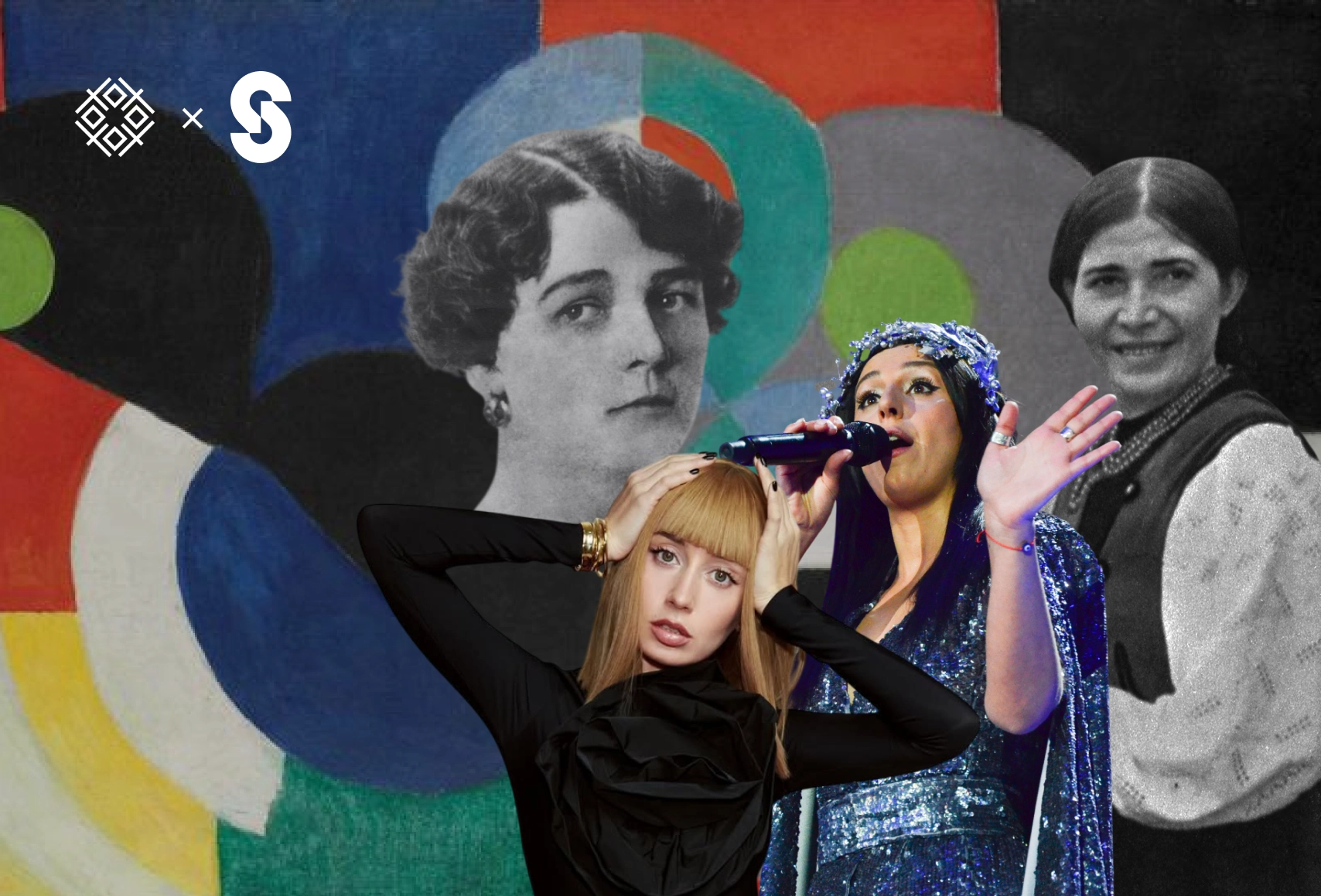
Most people learned Ukraine existed in 2022. But Ukrainian women had been putting this country on the map for over a century. On stages in Milan, in galleries in Paris, in Hollywood studios, in concert halls in New York. Long before anyone thought to Google where Ukraine is.
March is Women's Appreciation Month, and we wanted to do a real look at the Ukrainian women who were already in the rooms the world is only now starting to pay attention to.
Solomiya Krushelnytska. The soprano who saved Puccini
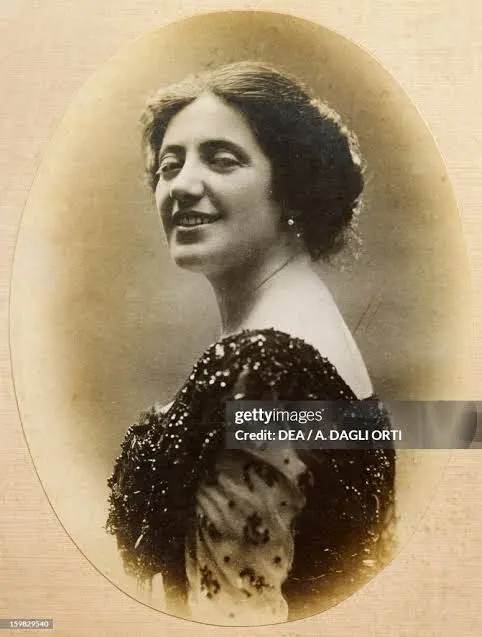
Born in 1872 in the Ternopil region, Solomiya Krushelnytska became one of the most celebrated opera singers of her era. She performed at La Scala, the Metropolitan Opera, Paris, Vienna, and Buenos Aires. When Puccini's Madama Butterfly failed spectacularly at its 1904 premiere in Milan, it was Krushelnytska who agreed to reprise the lead role. The second production was a triumph. The opera became one of the most performed in the world.
Throughout her career she made a point of introducing herself as Ukrainian. In the early 1900s, when Ukraine was not on any map as an independent country, that took something.
Sonia Delaunay. The artist who shaped modern fashion
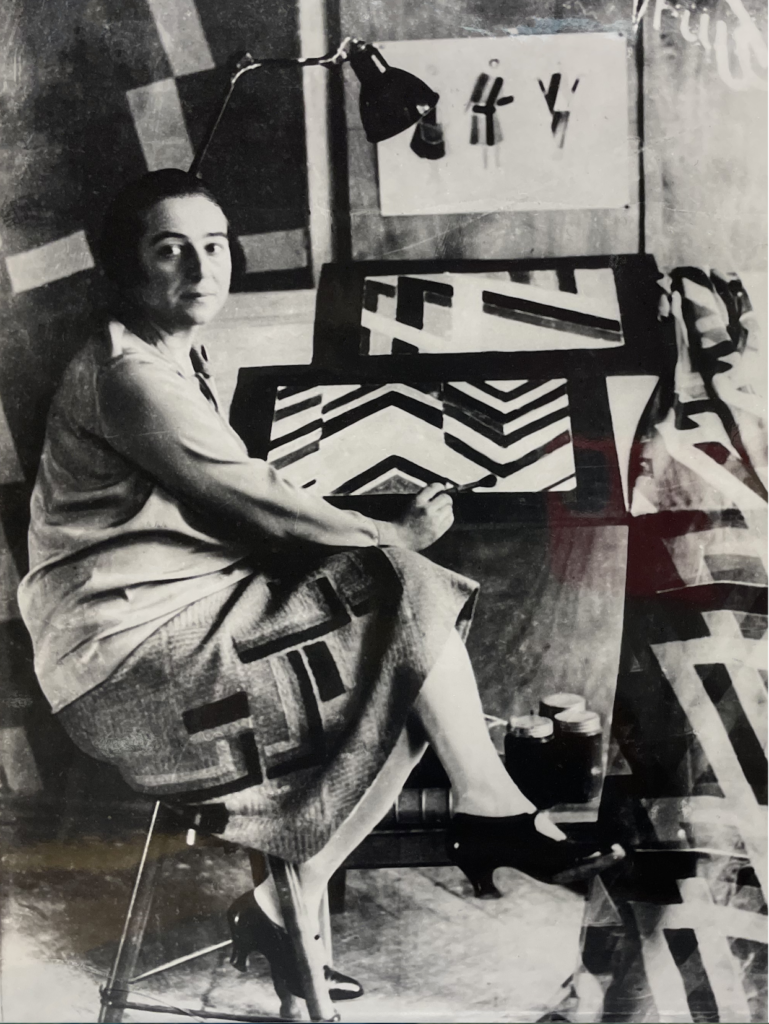
Sonia Delaunay was born in 1885 in the Kherson region of Ukraine. She moved to Paris in her twenties and co-founded Orphism, one of the defining movements of European modernism. Her work sat at the intersection of painting, fashion, and design — and influenced all three.
In 1925, her sketch appeared on the cover of British Vogue. That same year, the oldest department store in Amsterdam started selling dresses from her designs. In 1964, the Louvre held a retrospective of her work. She was the first woman artist to receive that honor while still alive. The following year, she was awarded the Legion of Honor, France's highest distinction.
Her influence didn't stop in the 20th century. Hermès, Chloé, Valentino, Missoni have all created collections referencing her work. She died in Paris at 94, still lecturing on art at the Sorbonne.
Barbara Karinska. The Ukrainian woman behind the modern ballet tutu
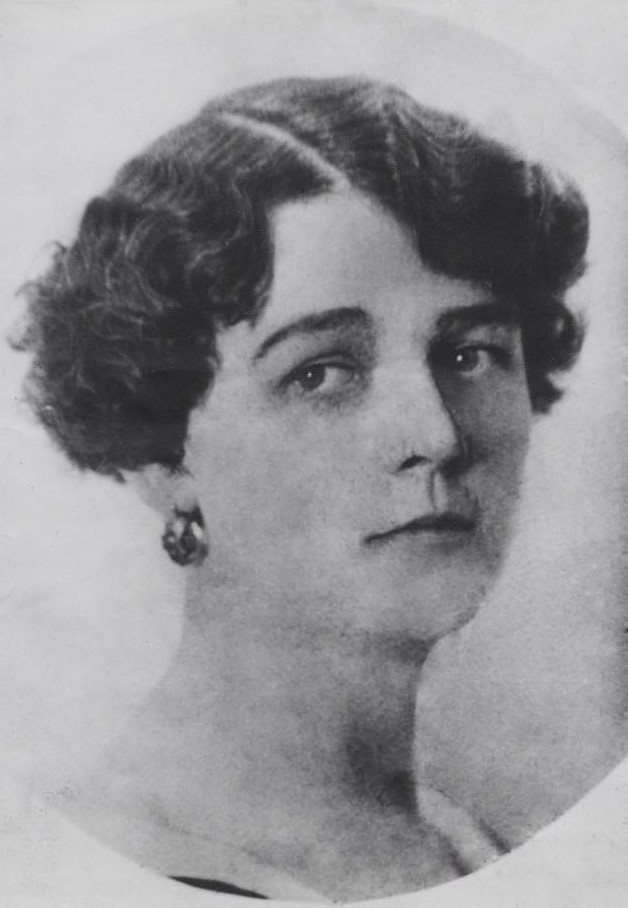
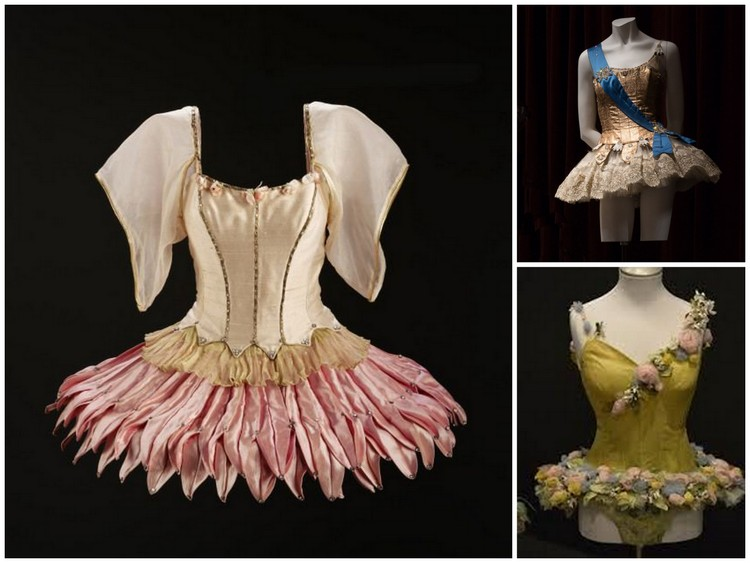
Varvara Karinska was born in Kharkiv in 1886. After emigrating to the United States, she became the most sought-after costume designer in ballet and film. She invented the "powder puff" tutu – shorter, lighter, layered, which became the standard in ballet worldwide.
She worked with Salvador Dali on costume design. Marlene Dietrich, Ingrid Bergman, and Elizabeth Taylor all wore her work. In 1949, she won the Academy Award for costume design for the film Joan of Arc.
Every time you watch a ballet performance today, you're looking at something she built.
Lesia Ukrainka. The intellectual who defined Ukrainian feminism before anyone named it
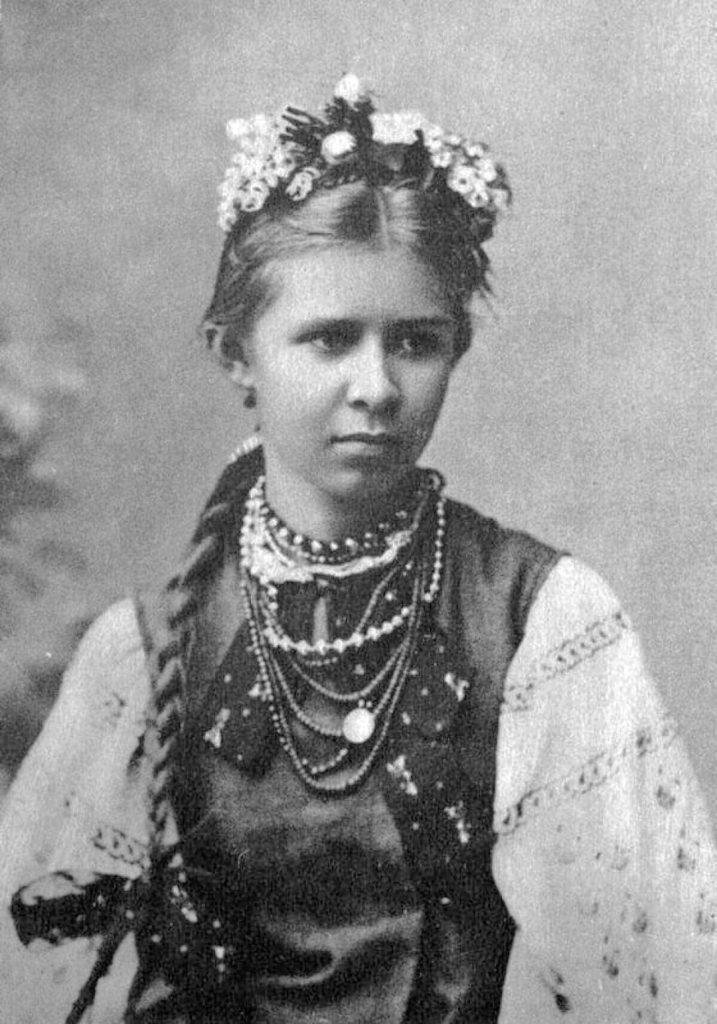
Lesia Ukrainka was born in 1871 and died in 1913, never seeing an independent Ukraine. She wrote poetry, drama, and essays that challenged the patriarchal norms of her time and represented Ukrainian women as educated, independent, and capable of determining their own lives.
Her work has been translated into over 40 languages. UNESCO recognized her legacy. In the context of early 20th century European feminism, her writing was not peripheral — it was part of the conversation.
Kateryna Bilokur. The self-taught genius Picasso admired
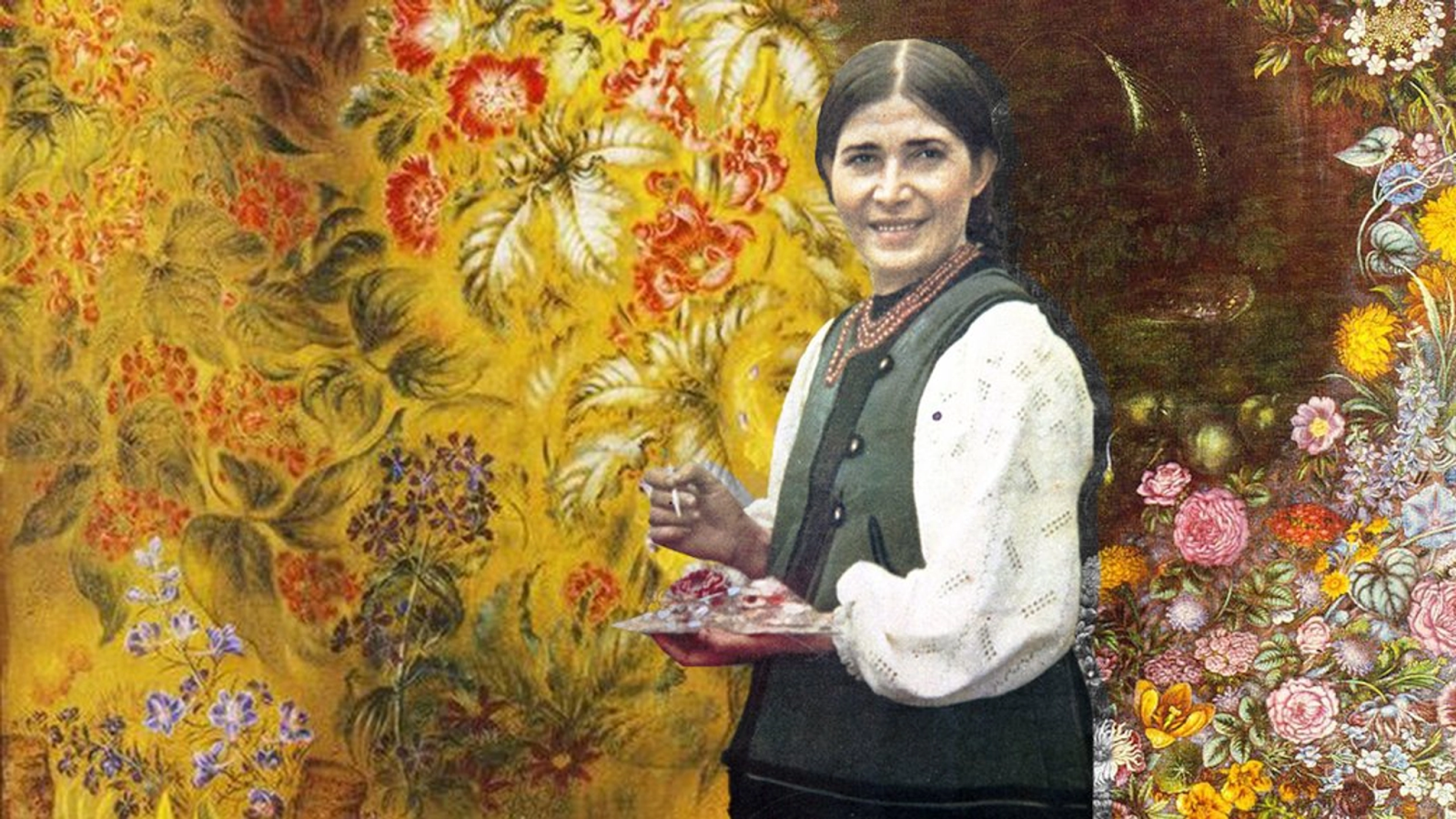
Kateryna Bilokur was born in 1900 in a village in the Poltava region. She had no formal training. She couldn't afford art supplies for most of her life and painted on whatever she could find. She kept painting anyway.
In 1954, her work was shown at an international exhibition in Paris. Pablo Picasso saw it and reportedly said: "If we had an artist of this level, we would make the whole world talk about her."
Her paintings are now part of Ukraine's national heritage and are referenced in international studies of naïve art. The world still hasn't talked about her as much as it should.
Kira Muratova. The filmmaker Soviet censors tried to silence
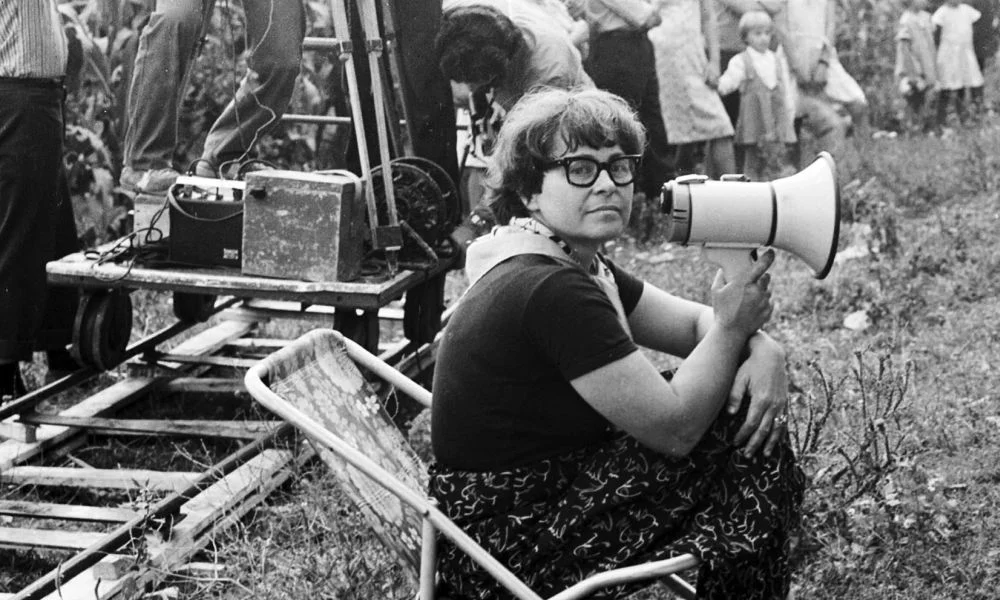
Kira Muratova was born in 1934 and spent most of her career being censored. Her films were pulled from distribution, shelved, banned from screening. The Soviet system didn't know what to do with her particular way of telling stories — psychologically complex, structurally unconventional, politically uncomfortable.
She showed at Cannes. Her film The Asthenic Syndrome won the Special Jury Prize at the Berlin International Film Festival in 1990. European film schools study her work. She's now recognized internationally as one of the defining voices of Ukrainian auteur cinema — and when Russia launched its full-scale invasion in 2022, she made her position clear. She stood with Ukraine.
Oksana Zabuzhko. The writer who made the world listen
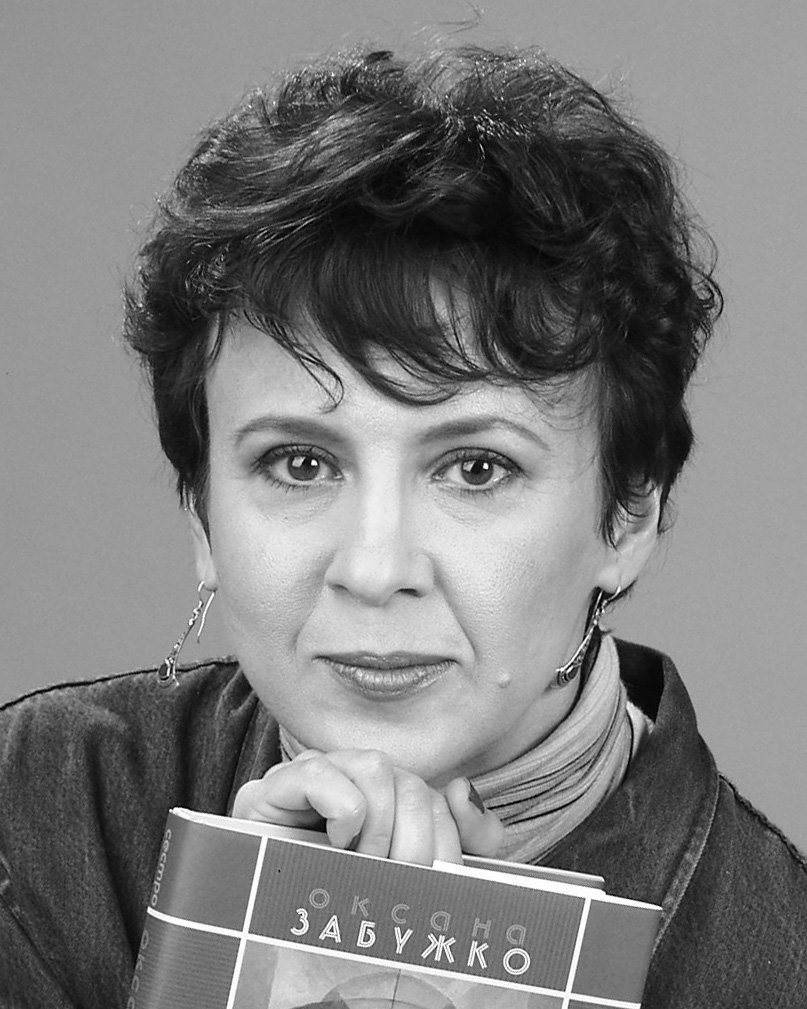
Oksana Zabuzhko's 1996 novel Field Studies in Ukrainian Sex was the first Ukrainian bestseller of the post-independence era. It's been translated into more than 15 languages. Her work overall has been translated into over 20.
She's spoken at Harvard, Columbia, and University College London. She's published essays in Die Zeit, The Guardian, Le Monde. After the full-scale invasion started in 2022, she wrote an essay addressed to a foreign audience and took it to 93 cities in 21 countries. The essay was published in seven languages.
She also became the first non-EU citizen and non-politician to address the European Parliament.
Kvitka Cisyk. The voice behind Ford, Coca-Cola, and two Grammy nominations
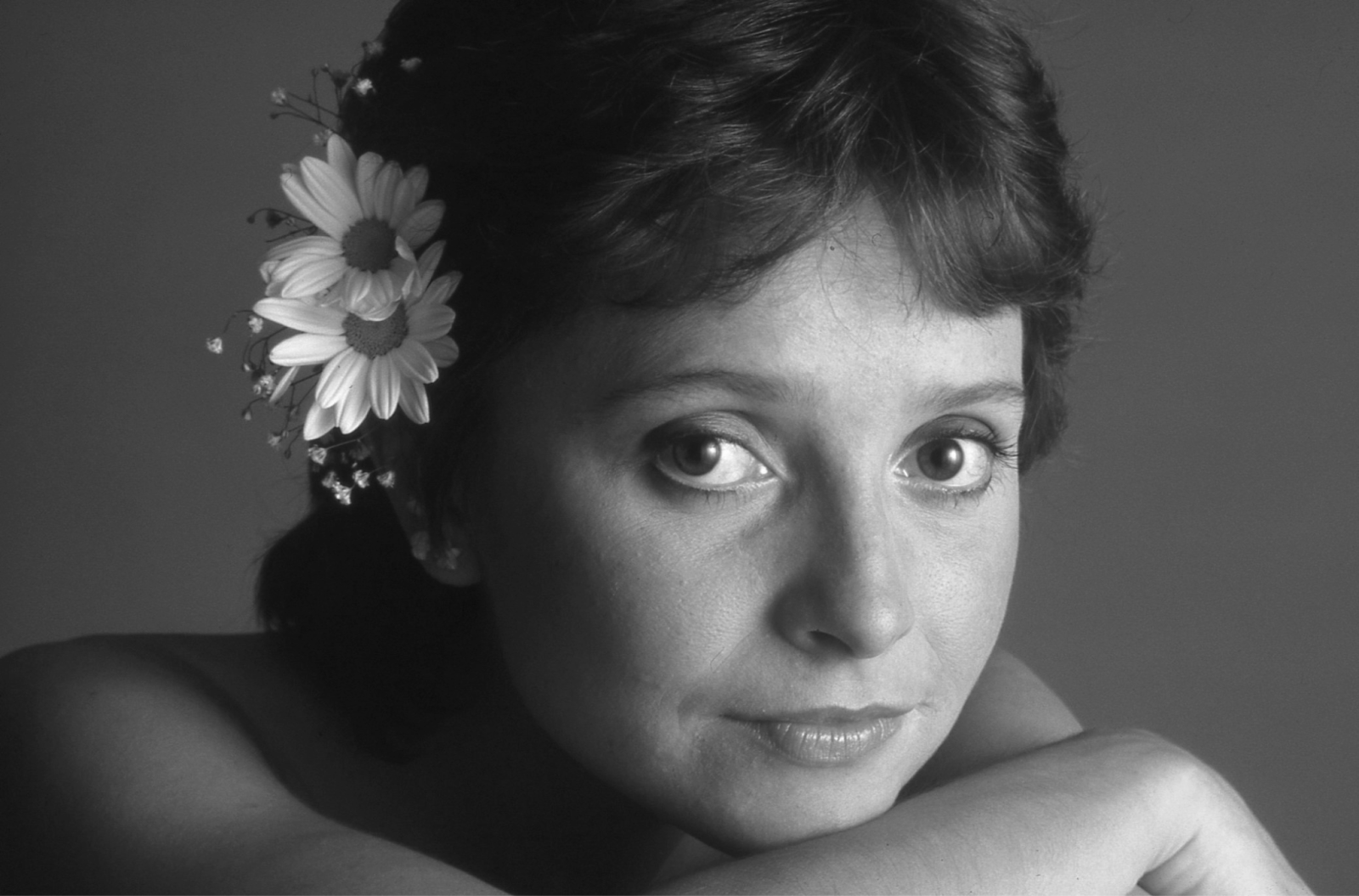
Kvitka Cisyk was born in New York in 1953 to Ukrainian parents. She had a coloratura soprano that producers described as sounding like a violin. She worked across pop, classical opera, folk, and commercial music.
Her voice was used in advertising campaigns for Coca-Cola, McDonald's, and American Airlines. For 16 years, until her death, she was the official voice of Ford Motors — the "Have You Driven a Ford Lately" jingle that millions of Americans still remember is hers.
She also recorded two albums in Ukrainian and received two Grammy nominations for Best Contemporary Folk Album. In Ukraine, she became widely known mostly after her death in 1998.
Tanu Muino. The visioner redefining music video aesthetics from Odesa
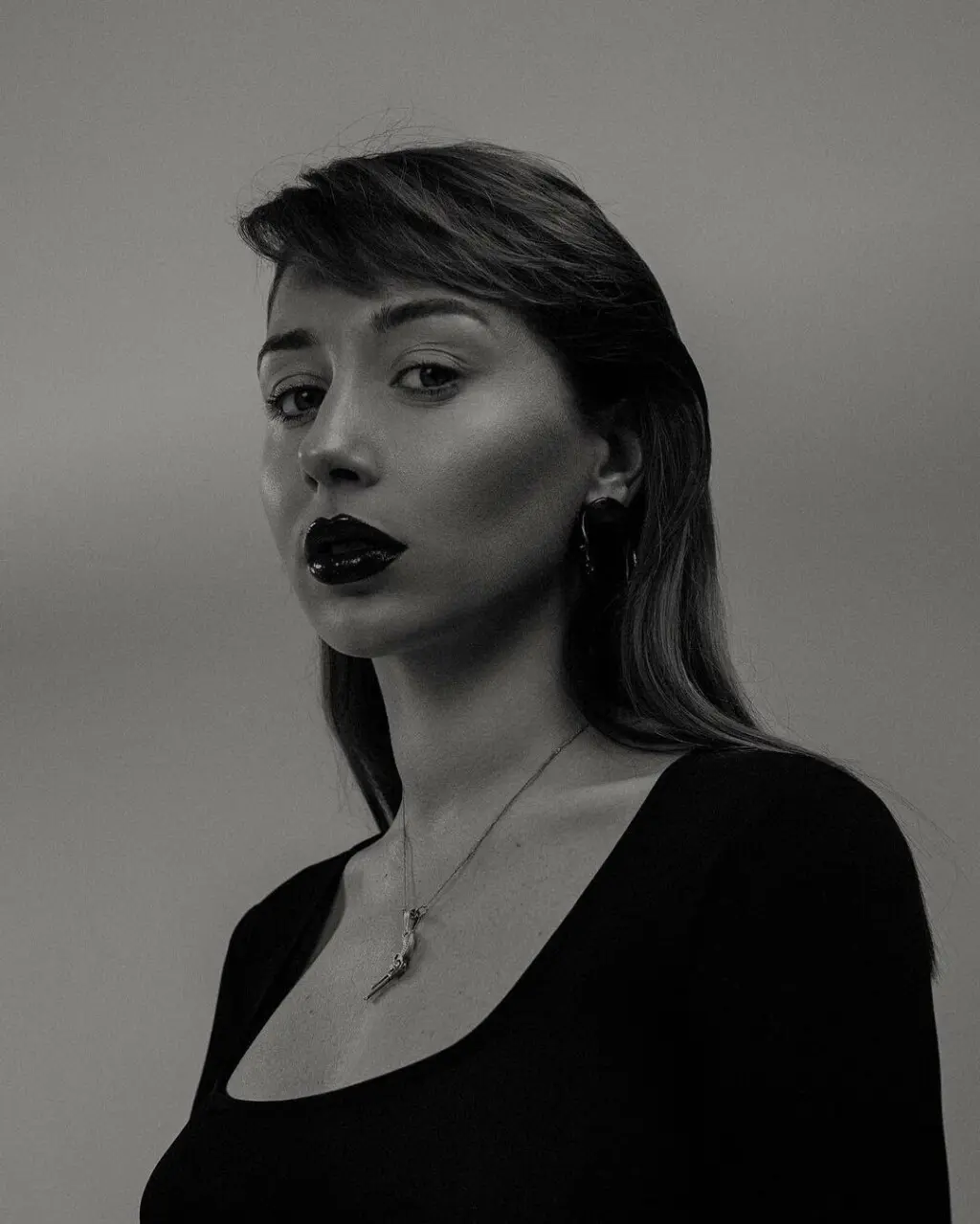
Tanu Muino was born in 1989 in Odesa. She's directed videos for Dua Lipa, Lady Gaga, Harry Styles, The Weeknd, Cardi B, Jennifer Lopez, Katy Perry. In 2021 she won a VMA for her video for Lil Nas X's Montero, becoming the first Ukrainian director to receive that award. Her work has also been nominated for a Grammy.
After 2022, she became one of Ukraine's most visible cultural ambassadors internationally, consistently naming her origins and speaking about Ukraine on global platforms.
Jamala. The song that made the world stop
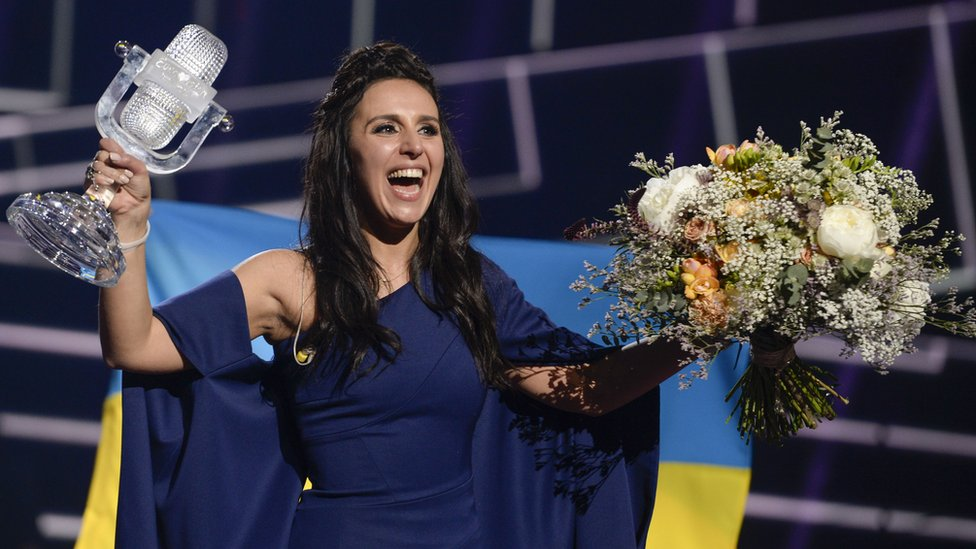
Jamala (Susana Jamaladinova) is a Ukrainian singer of Crimean Tatar heritage, born in 1983. In 2016 she won Eurovision with "1944" — a song about the Soviet deportation of Crimean Tatars. She received 534 points. BBC, CNN, and The Guardian all wrote about Ukraine through the lens of her win.
In 2023 she released the album Qırım, a collection of 14 traditional Crimean Tatar songs recorded with over 80 musicians, including the BBC Philharmonic in Liverpool. The album entered European music charts and was played on radio stations in the UK, Turkey, Czech Republic, Spain, the US, and elsewhere.
The album is not just music. It's a cultural archive of a people whose history has been deliberately erased.
Why we're telling you this
We started Spend with Ukraine because Ukrainian quality deserves a global audience – an audience that actually knows what it's looking at.
These women did the same thing: they showed up in rooms where no one expected them, did the work, and made it impossible to be ignored. That's the tradition we feel part of.
We're excited to share that on 8th of March, we partnered with Code-380 – an organization opening Ukrainian cultural centers in Chicago and San Francisco, to get Ukrainian brands in front of more people, in more places. You can learn more about the collaboration here.
Browse Ukrainian brands at spendwithukraine.com.


